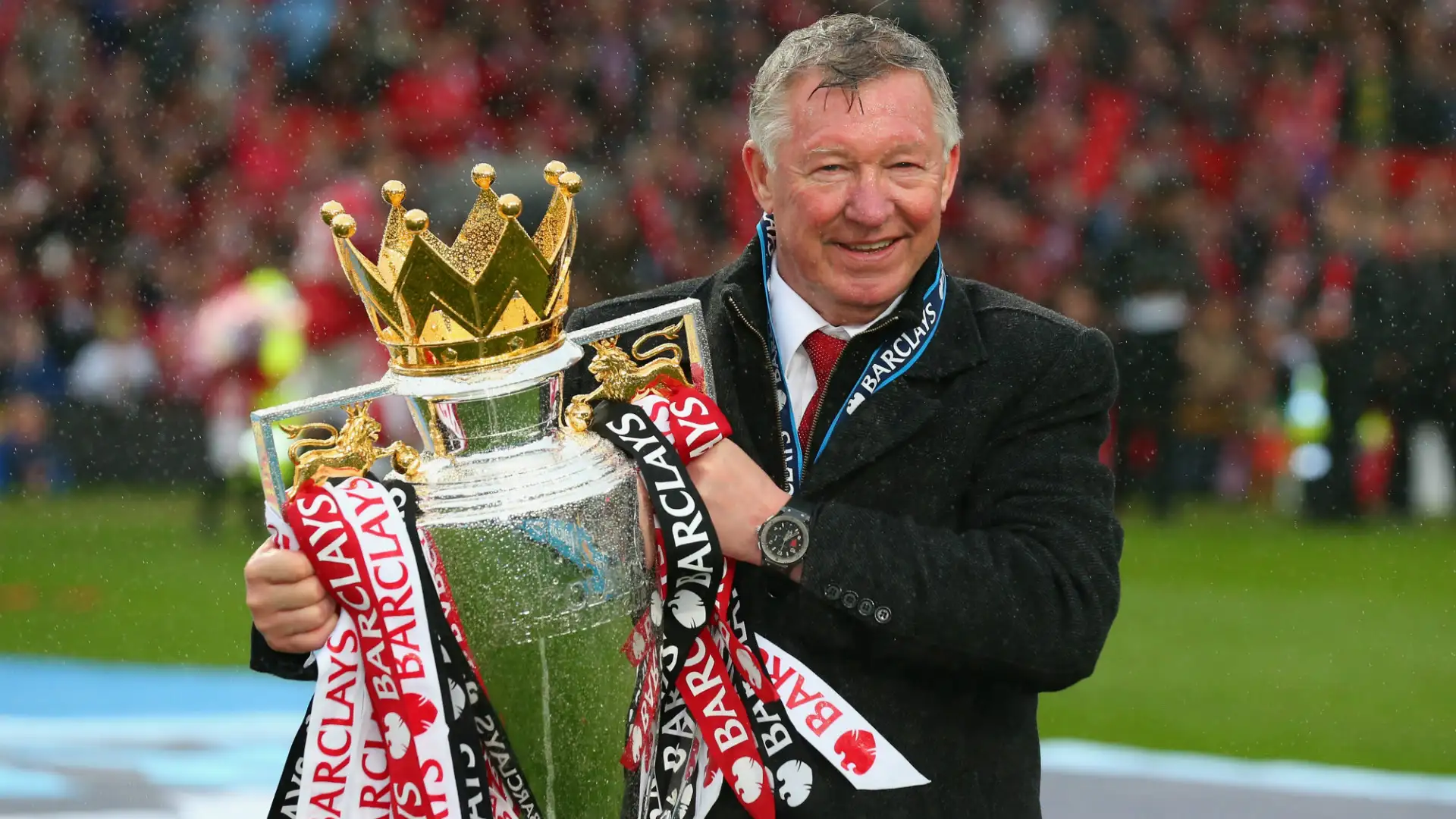

When the history of modern football is written, few figures will stand as tall as Sir Alex Ferguson. More than just a manager, he became the defining force of the Premier League era, shaping its standards of excellence, its global appeal, and its competitive identity. For over 26 years, he built Manchester United into a dynasty—one that blended ruthlessness, charisma, and an unshakeable winning mentality. And since his retirement in 2013, the Premier League has felt his absence just as much as Manchester United have.
The Ferguson Effect on the Premier League
1. He Set the Standard for Excellence
Before the Premier League became a global entertainment powerhouse, Ferguson showed what sustained success could look like. His teams won 13 Premier League titles—more than many clubs will ever win in their entire history. He established a culture of relentless improvement, where good was never good enough. That culture forced rival clubs to evolve, leading to rising standards across the league.
2. He Helped Grow the League’s Global Appeal
Manchester United’s dominance coincided with the Premier League’s global expansion. Ferguson’s teams (from the Class of ’92 to the Ronaldo-Rooney-Tevez era) became international icons. Their success helped turn the Premier League into the world’s most-watched league, elevating television deals, commercial value, and worldwide competitiveness.
3. He Mastered Squad Evolution Better Than Anyone
Few managers have ever rebuilt successful teams so many times. Ferguson transformed United multiple times—from gritty early ‘90s battlers to treble-winning fluid dynamos to the counterattacking machine of the late 2000s. Each iteration challenged and reshaped the tactical trends of the league.
4. He Created the “Ferguson Aura”
There was a psychological edge to Ferguson that transcended tactics. Teams feared Old Trafford. Opposing managers felt the pressure of going toe-to-toe with him. Referees, players, even the media—all were affected by the presence of Ferguson’s unshakeable confidence and influence. That kind of aura doesn’t just disappear; it takes decades to build and seconds to lose.
Why Manchester United Haven’t Won the Premier League Since His Departure
When Ferguson retired in 2013, he didn’t just leave a job—he left a void that the club was not prepared to fill. United’s decline is not due to one problem, but a perfect storm of structural and cultural failures.
1. The Wrong Successor—and No Long-Term Plan
David Moyes was hand-picked by Ferguson, but given an aging squad, high expectations, and little structural support. United appointed him as “the chosen one,” but without the foundations that Ferguson had spent decades creating, Moyes was overwhelmed.
The lack of a clear succession plan exposed how much of the club’s identity relied on Ferguson himself rather than on systems or long-term strategy.
2. Boardroom Incompetence and No Footballing Structure
Ferguson and David Gill leaving the same summer created a leadership vacuum. For years, United operated without a sporting director, relying on commercial executives to run football decisions. This led to:
- Poor transfer strategy
- Overpaying for players
- Lack of tactical identity
- Constant squad imbalances
While rivals like Manchester City, Liverpool, and Arsenal modernized their football structures, United lingered in the past.
3. The Loss of the Winning Culture
Ferguson built a mentality where:
- Standards were non-negotiable
- Youth development was central
- No player was bigger than the club
- Every season began with the expectation of winning the league
After he left, the culture became fractured. Managers came and went, each bringing different philosophies. The squad became a patchwork of mismatched profiles, lacking the hunger and cohesion that defined the Ferguson era.
4. Frequent Managerial Changes
Five permanent managers in 10 years created chaos:
- Moyes tried to replicate Ferguson but lacked authority.
- Van Gaal brought rigidity but no long-term vision.
- Mourinho chased short-term success but created division.
- Solskjær revived the culture but lacked elite tactical consistency.
- Ten Hag offered structure but faced deep-rooted squad and ownership issues.
With every new regime, the club reset again—squads overhauled, philosophies abandoned, and momentum lost.
5. Rivals Surged Ahead
As United wrestled with identity, other clubs completed modern football revolutions:
- Manchester City built a world-class sporting structure and recruited Pep Guardiola.
- Liverpool embraced data-driven recruitment and a unified philosophy under Jürgen Klopp.
- Arsenal and Chelsea developed smarter recruitment models and clearer long-term planning.
United didn’t just fall behind—they stood still while others sprinted.
The Enduring Legacy of Sir Alex Ferguson
Despite the decline, Ferguson’s legacy remains the gold standard. His era showed what sustained success, a clear identity, and uncompromising leadership can achieve. United’s modern struggles underscore his greatness; they highlight how rare it is to find a manager who can blend man-management, squad building, tactical evolution, and psychological mastery so perfectly.
The Premier League may never again see someone dominate as Ferguson did. And Manchester United may not return to the top until they stop searching for the next Ferguson—and start building a modern football structure capable of sustained success.
Leave a Reply